The Architect’s Playbook

How real teams ship LLM systems: design patterns, the anti-patterns that sink them, and the workflows behind production deployments, drawn as clear diagrams you can come back to.

Free with a free account.

No card needed.

Cover of The Architect’s Playbook: Enterprise LLM Architecture
27
pages of diagrams and notes
6
big ideas, each drawn out
1
PDF, yours to keep

What’s inside

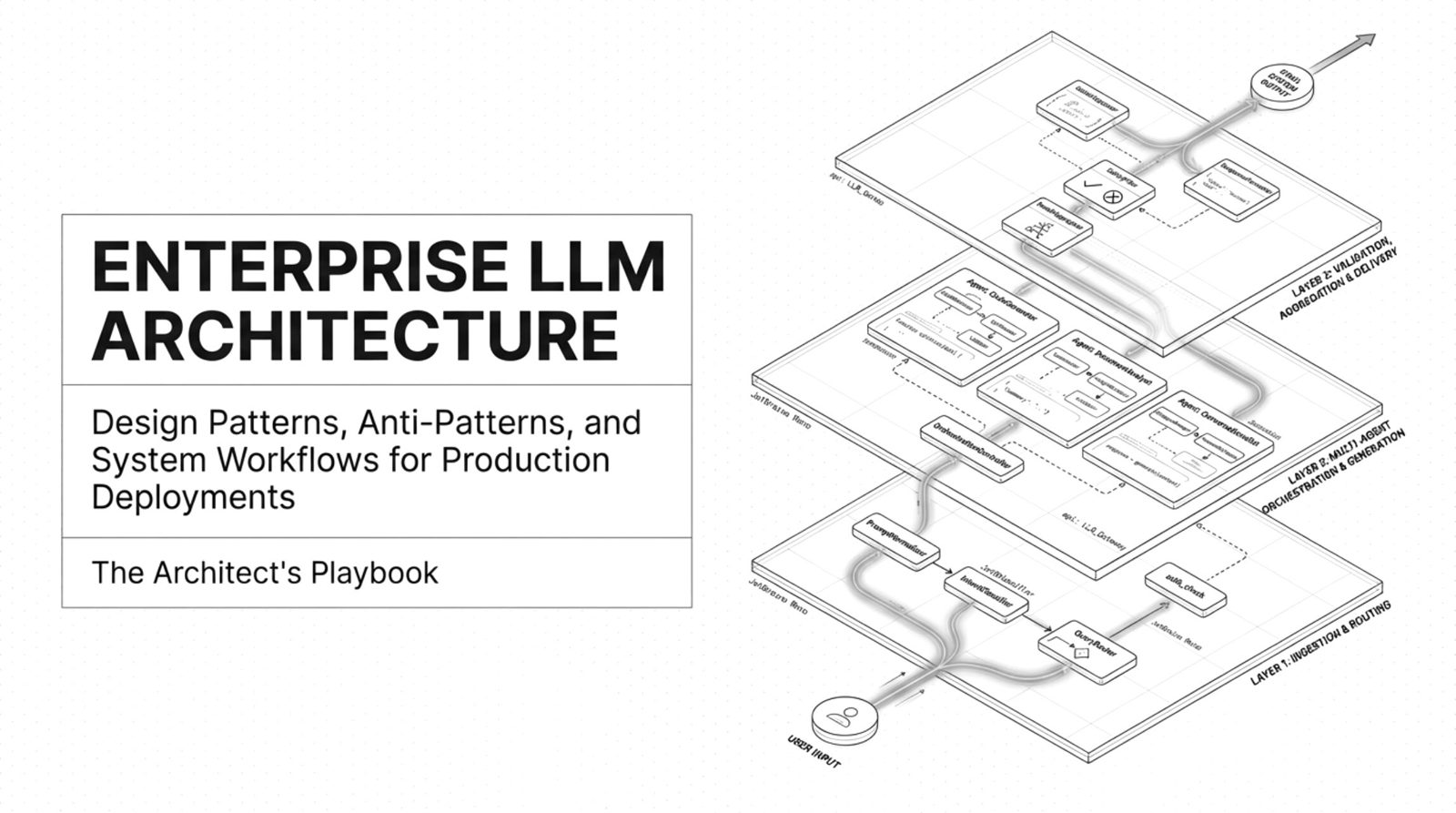
The ideas it covers, each drawn as a diagram.

  1. Structured data extraction

    Turning messy documents into checked, reliable data.

  2. Customer support agents

    When an agent should act, and when it should hand over.

  3. Multi-agent systems

    Splitting work between agents without losing the thread.

  4. Routing requests

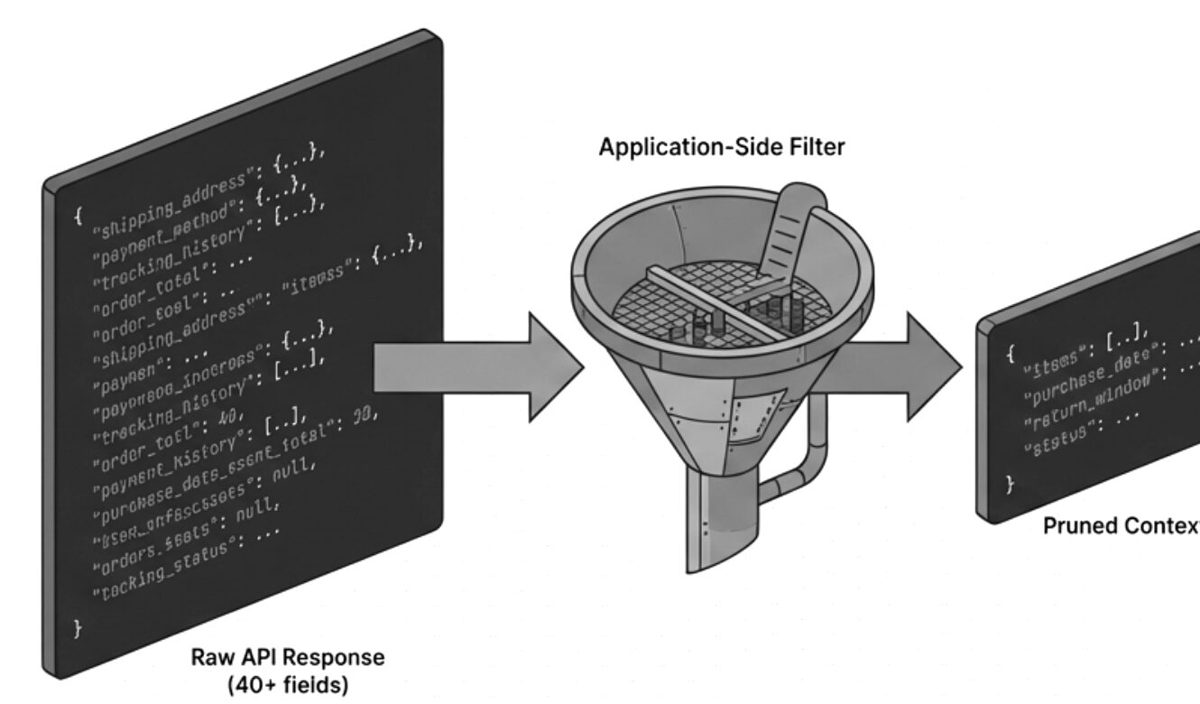
    A funnel that sends each request to the right place.

  5. Shared memory

    One store that every part of the system can trust.

  6. Reading code at scale

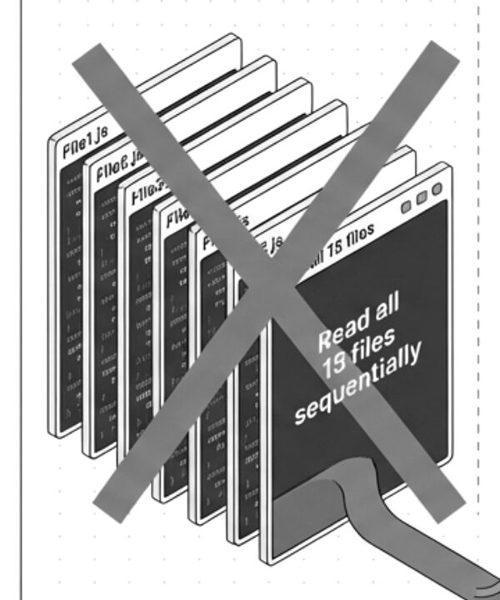
    Why an agent should not read every file, and what to do instead.

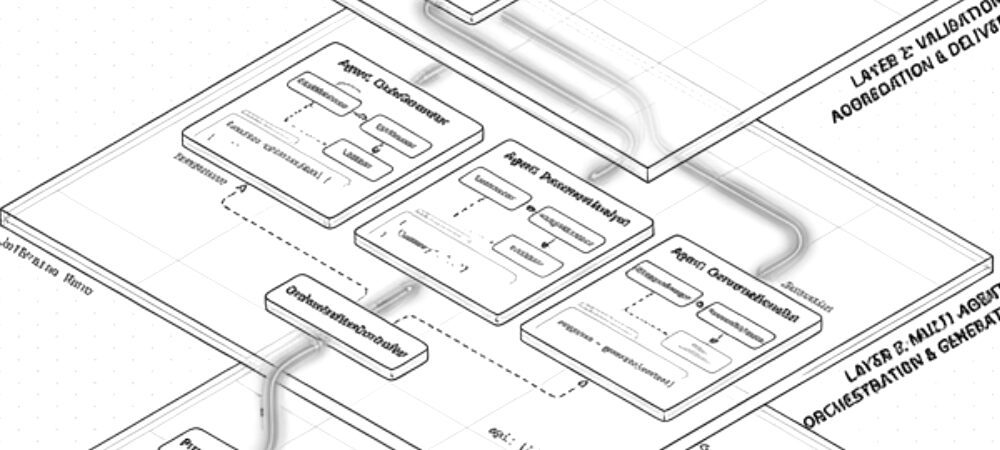
A Playbook page: a layered architecture diagramA Playbook page: a funnel that filters requestsA Playbook page: why an agent should not read every fileA Playbook page: a shared memory store

Free, all of it

Make a free account and the whole read is yours. No card, nothing to pay.

Free

₦0

  • All 27 pages as a PDF you keep
  • Every page we add later
  • The weekly AI news
Start free

Questions

Something else? Write to us and a person will answer.

What format is it?

A PDF you download and keep. It reads well on a phone, a laptop or on paper.

Is it part of the Architect course?

The Architect course uses it in two weeks. You can also get it on its own.

More on the shelf

Every course and read starts free.

Course, coming soon

  1. First API call
  2. A chat interface
  3. Your own documents
  4. Put it online

Your first AI app

Four weeks from no code to a working app that uses your own documents and is online to share.

Free while it’s new.

See what’s coming

Sample course, to be confirmed.

Course, coming soon

  1. Evaluations
  2. Monitoring
  3. Cost control
  4. When it goes wrong

Agents in production

For people who can build an agent and want it to survive real users, cost less and fail well.

Price to come.

See what’s coming

Sample course, to be confirmed.

PDF, coming soon

  1. Roles and tone
  2. Examples that work
  3. Asking for structure
  4. Checking the answer

The prompting field guide

A short read on getting reliable answers: good examples, clear structure, and checking the result.

Price to come.

See what’s coming

Sample read, to be confirmed.

Swipe for more.